

Every Champion Confirmed for League of Legends Classic
Sixty champions return with the kits and models they had before years of reworks, alongside the old rune pages, mastery trees, Deathfire Grasp, and the original IP currency, all launching July 29 without a separate client download.
Anyone who mained Ryze or Sion before their reworks has been asking the same question since Riot revealed League of Legends Classic: does my old champion actually play the way I remember? The answer is yes for roughly 60 champions at launch, all of them running their original kits rather than modern equivalents wearing retro skins. What follows covers the confirmed roster, what makes those old kits play differently, which era the mode is built on, the launch timing, and how Riot plans to expand it after release.
Which Champions Are in the Launch Roster?
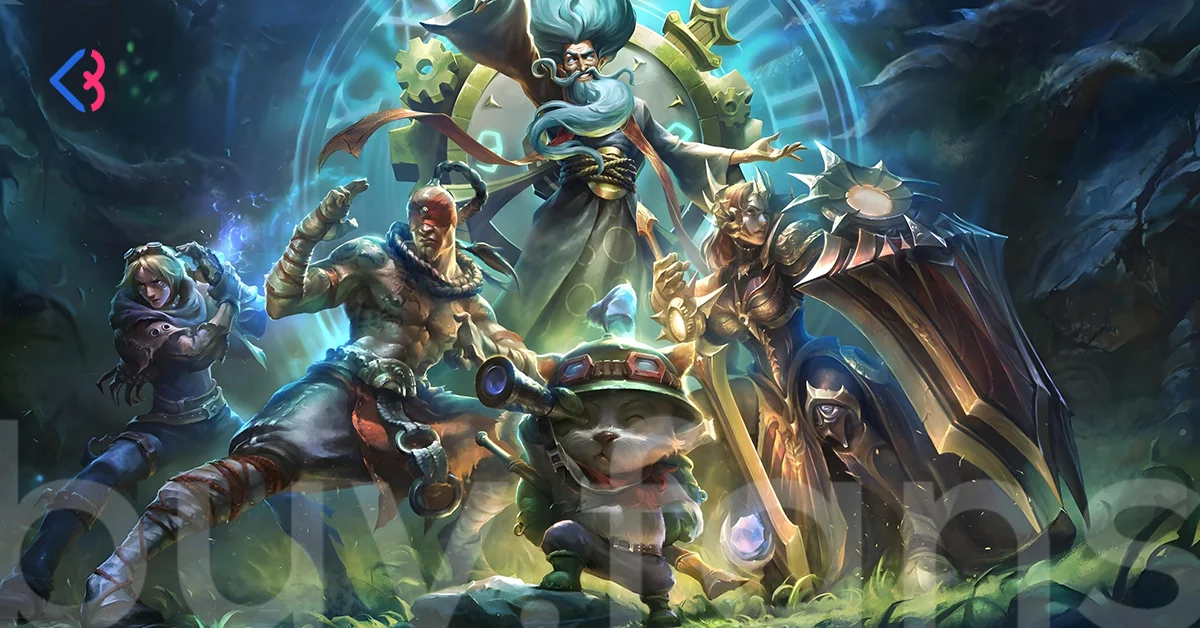
Around 60 champions make the cut at launch, and the core of that list is the game's original 40 champions, with the most-played names from the early years filling out the rest. Every one of them arrives with their old visual models and old ability kits.
Confirmed names announced so far include:
- Master Yi, Ryze, Kassadin, Karthus
- Graves, Ashe, Tristana
- Sion, Alistar, Amumu, Blitzcrank
- Annie, Dr. Mundo, Warwick
The names that matter most here are the ones Riot has reworked repeatedly over the years. Ryze has been redesigned more times than almost any champion in the game, and Sion's original kit shares essentially nothing with the version live today beyond the name. Playing either one in Classic is closer to learning a new champion than revisiting a familiar one.
How Different Do the Old Kits Actually Feel?
Old kits are not simply weaker or slower versions of what exists now; many of them operate on completely different logic. Abilities that scale off different stats, ultimates with entirely separate functions, and passives that modern League removed altogether all show up in this roster.
Champions who received full visual and gameplay updates carry the biggest gap. A player who only knows the current Sion, a tank built around charging and knocking enemies into walls, will find an original Sion that plays nothing like that. The same applies to Karthus and Warwick, both of whom were rebuilt from the ground up in the years since.
The practical effect is that experience with modern League transfers only partially. Map awareness, wave management, and general fundamentals still apply, but champion-specific muscle memory mostly does not. Returning players who last touched the game a decade ago may actually adapt faster than someone who has played every patch since.
What Happened to Runes and Masteries in This Mode?
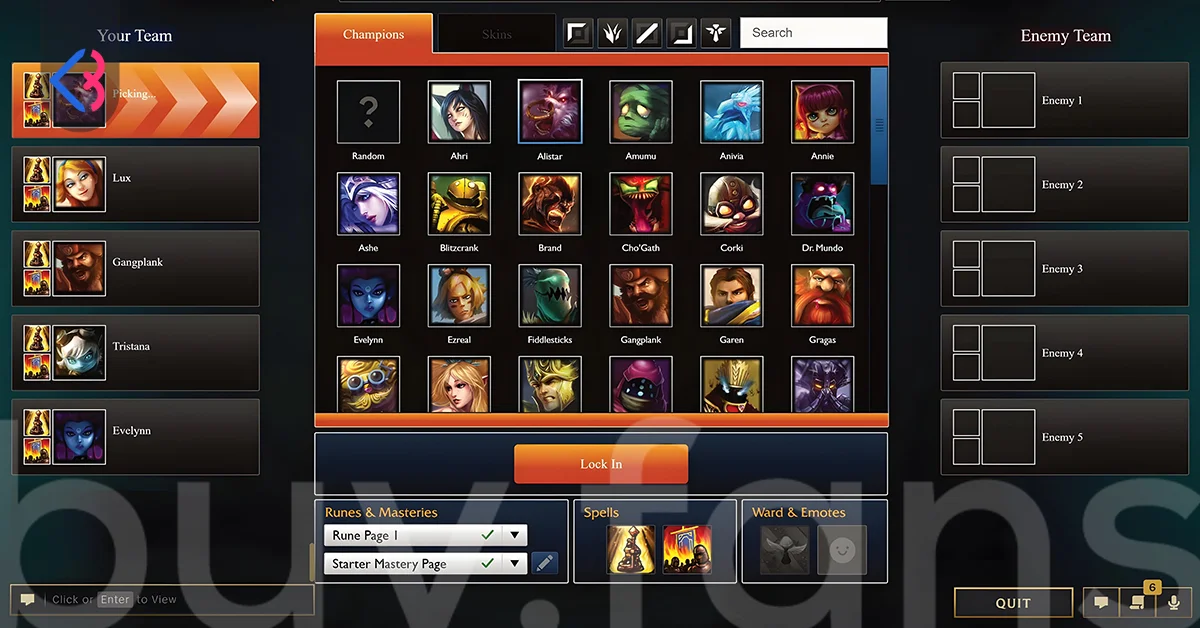
Both systems return in full. Modern League streamlined rune pages significantly and removed mastery trees entirely; Classic brings back the layered pre-game setup that existed before those changes.
Under the old system, players built separate rune pages for different champions and roles, then spent points across a mastery tree before ever loading into a match. That preparation was a strategy layer of its own, and the same champion could be built in genuinely different directions depending on those choices. The modern system trimmed most of that decision-making away in favor of speed and accessibility.
Players who started after 2015 never encountered any of it. For them, Classic is less a nostalgia trip than a first look at a version of the game they have only read about, and the learning curve may be steeper than it is for veterans, simply because the number of pre-match decisions is much higher than what current League asks for.
Is Deathfire Grasp Really Coming Back?
Yes, and its inclusion says a lot about how Riot approached the item list. Deathfire Grasp was removed from the game years ago and has been one of the most consistently requested returns ever since; it made the cut for Classic specifically because of that demand.
Riot has been clear that the mode is not a literal recreation of any single patch. Instead of rebuilding one exact historical build of the game, the team assembled what it describes as a curated collection of the moments and systems players missed most. Anyone hoping for a perfect archival snapshot of a specific patch will find some gaps; anyone who mainly wants the old items and systems back will find the tradeoff worthwhile, since the curated approach produces a far more playable balance state than a raw historical copy would.
Which Season Is League Classic Built On?
Season 3 forms the foundation, though Riot treats it as a flexible starting point rather than a strict time capsule. Elements from earlier patches and from as late as Season 4 both appear alongside that Season 3 core.
Choosing Season 3 as the anchor makes sense given how most players remember the game. Old runes, mastery trees, and that era's wider item variety were all active simultaneously, and the competitive scene took its biggest leap forward during those years. Blending selected pieces from adjacent eras rather than freezing one exact patch keeps the mode both recognizable and functional.
The result works more like a greatest-hits compilation than a museum exhibit. Purists looking for one specific patch reproduced down to the decimal will notice the compromises, but the mode holds together far better in actual play than a strict historical rebuild would have.
When Does League Classic Launch and How Do You Access It?
Riot has confirmed a July 29, 2026 launch at 8:00 AM PT, arriving worldwide simultaneously with patch 26.15. No separate download, no new account, and no changes to an existing installation are required; the mode ships through the same client players already use.
For anyone who has not opened League in years, the only step is launching the client and letting it update. Once that finishes, Classic appears as a selectable mode and works like any other queue. Keeping the barrier to entry this low should translate directly into strong turnout on day one, especially compared to nostalgia projects that require standalone installs.
Riot also built up to launch across three separate announcements: a teaser on June 26, the full reveal during the MSI 2026 Finals on July 11, and a dev blog detailing the systems on July 14. A pro showmatch on July 24 gives players a look at how the mode actually plays five days before it opens to everyone.
Why Is the IP Currency Returning?
The original IP (Influence Points) system comes back as a mode-specific currency. Modern League replaced IP with Blue Essence and related currencies years ago; in Classic, IP works the way it originally did, earned strictly through playing matches.
The reasoning behind bringing it back centers on progression feel. Under IP, getting access to a new champion took real time, and each one landed as a genuine milestone rather than a routine transaction. Modern currency systems moved faster and with far less friction, which made progression smoother but stripped out most of that sense of accumulation.
How Riot tunes the earn rate will shape whether that nostalgia actually lands. Set it too low and progression turns tedious; set it too high and the slow-burn feeling the system is meant to recreate disappears entirely. The first few weeks after launch should make clear which side of that line Riot landed on.

Who Decides What Gets Added Next?
Community voting will drive future updates, which is the most unusual part of Riot's plan. Decisions about which champions get added, which items return, and which eras get pulled into the mode go to player votes rather than internal roadmaps.
That model also explains starting with only 60 champions. Rather than dropping the entire roster at once, Riot is beginning with a narrow core and using community input to gauge which champions players genuinely want back. Anyone whose main missed the launch list has a real path forward through those votes rather than a permanent exclusion.
Long term, participation levels will determine how long the mode stays active. Strong engagement supports a steady update cadence; declining interest naturally slows development down. The first few rounds of voting after launch will be the clearest signal of whether League Classic becomes a permanent fixture or a seasonal event that resurfaces occasionally.
This article was last updated on 08 October 2026 thursday. Today, 52 visitors read this article.